
Style
How to Choose the Perfect Custom BJJ Gi?
The Big Three: Single Weave, Double Weave, and Gold Weave
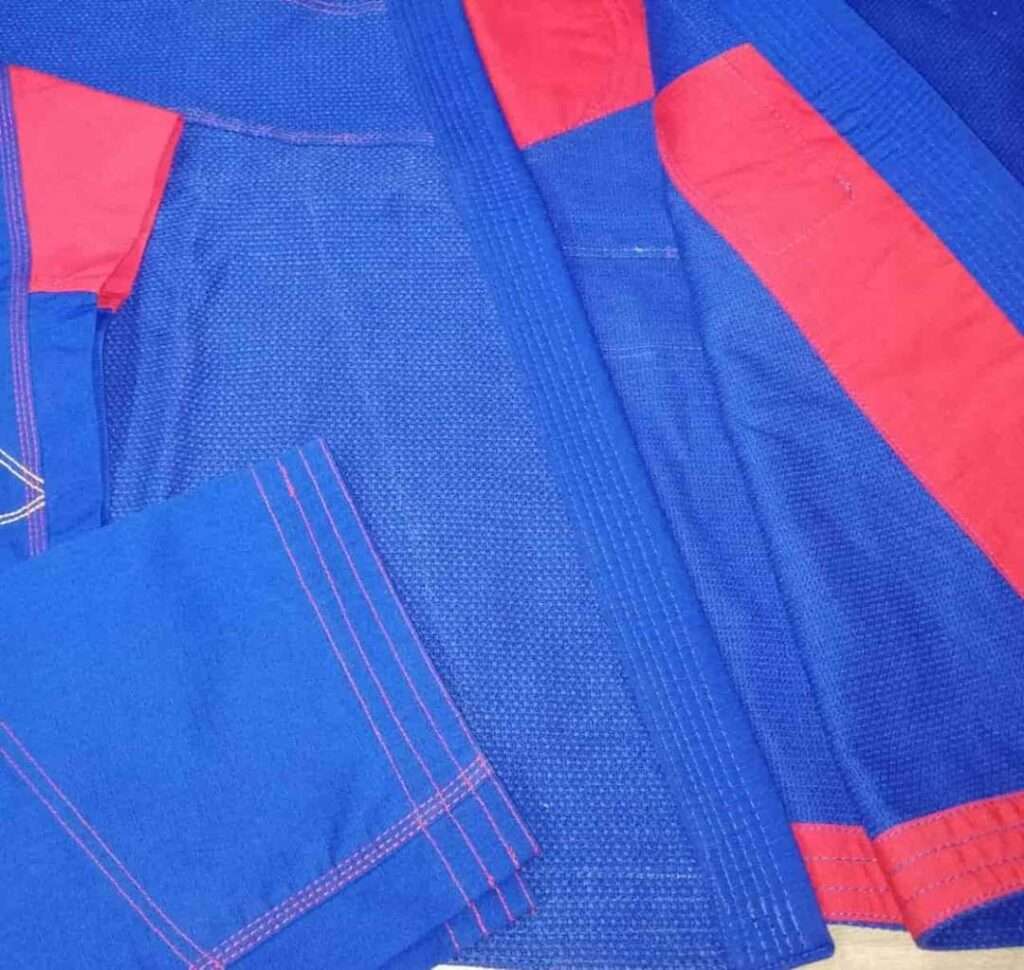
Single Weave: If you like a lightweight Gi that doesn’t feel like a sauna suit, single weave is your best friend. It’s breathable, dries quickly, and is usually the most affordable option. Perfect for beginners or anyone training in hot climates, but keep in mind—it’s not the most durable. If you roll aggressively, you might find yourself shopping for a new Gi sooner than you’d like.
Double Weave: Twice the weave, twice the strength! Double weave Gis are heavy-duty, durable, and great for competitors who want something that won’t tear mid-match. However, they do come with extra weight, meaning you’ll feel every bit of that thick fabric during training. If you don’t mind breaking a sweat (or two), this might be a solid choice for you.
Gold Weave: The happy middle ground between single and double weave. It offers durability without being unbearably heavy, making it a favorite among competitors and serious practitioners. It feels strong yet flexible, giving you the best of both worlds—tough enough to last but comfortable enough to train in daily.
Modern Twists: Pearl Weave and Honeycomb Weave
Pearl Weave: One of the most popular Gi fabrics today, pearl weave combines strength, lightness, and breathability. The texture resembles tiny pearls (hence the name), making it a go-to option for serious athletes. It’s IBJJF-approved for competitions, doesn’t shrink much, and is durable enough to withstand years of training. If you want a Gi that’s lightweight but still strong, this is a solid pick.
Honeycomb Weave: Think of honeycomb weave as the tough cousin of pearl weave. It’s slightly heavier, extremely durable, and has a distinct pattern that helps with ventilation. This weave is designed for those who train hard and don’t want their Gi falling apart after months of intense rolling. If you’re tired of replacing worn-out Gis, honeycomb might be the answer.
Cotton vs. Hemp: A Battle of Natural Fabrics
Cotton: The classic choice for most BJJ Gis. It’s breathable, soft, and comfortable, but depending on the weave, it can vary in weight and durability. Most high-quality Gis are made from 100% cotton, offering a great balance between comfort and toughness. However, cotton Gis tend to shrink more, so always check the manufacturer’s instructions before washing!
Hemp: The eco-friendly warrior’s choice. Hemp Gis are gaining popularity due to their natural antimicrobial properties, superior durability, and sustainability. They’re incredibly strong, get softer with each wash, and resist odors better than cotton. The downside? They’re usually more expensive and can feel a bit stiff when brand new. But if you want a Gi that lasts for years and aligns with an eco-conscious lifestyle, hemp is worth the investment.
Understanding BJJ Gi Sizing: One Size Doesn’t Fit All
Finding the right BJJ Gi size can feel like solving a puzzle, but it doesn’t have to be complicated. Unlike regular clothing, BJJ Gis are designed with specific cuts, measurements, and shrinkage factors in mind. Brands use different sizing charts, often labeled as A (for adult men), F (for female-specific fits), and M (for kids). A Gi that fits perfectly when new may shrink after a few washes, so always check the manufacturer’s guidelines. To get started, take accurate measurements of your height, weight, and arm span—these are the key factors in choosing the right size.
Regular, Slim, or Husky? Finding Your Ideal Gi Cut
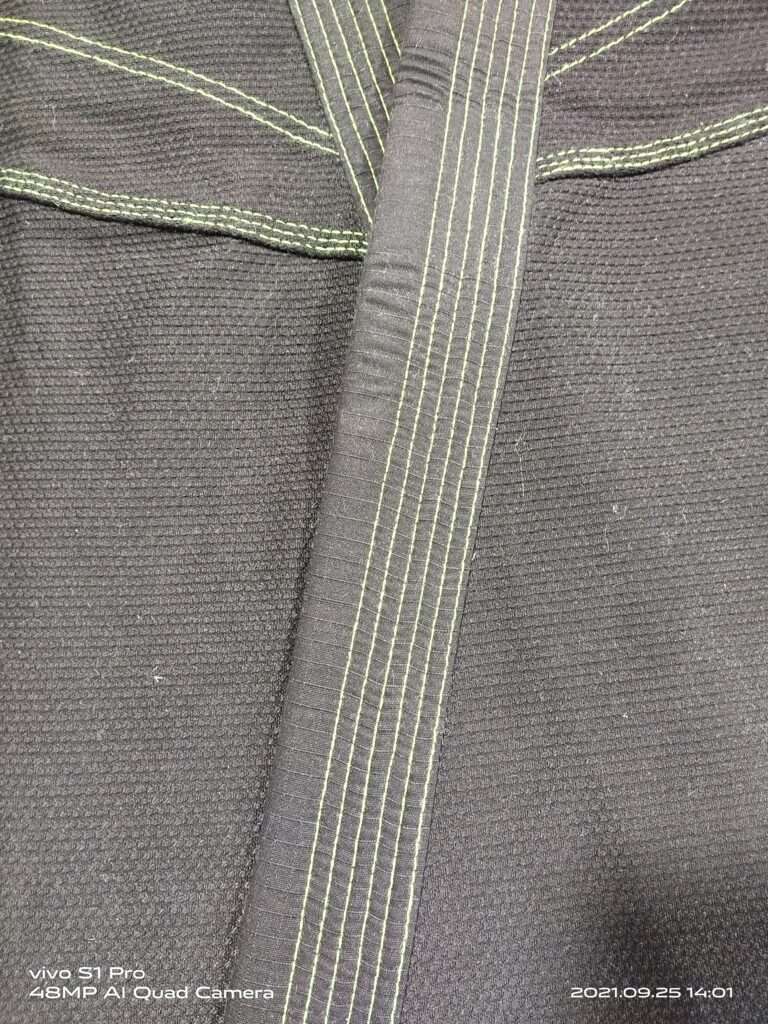
Not all Gis are created equal, and neither are body types. If you have a lean and athletic build, a slim-fit Gi will provide a snug fit without excess fabric getting in the way. For those with a broader frame, a husky or standard-cut Gi offers more room in the chest and shoulders. Women’s BJJ Gis are tailored with slightly tapered waists and narrower shoulders for a better anatomical fit. Trying different brands and cuts will help you figure out what feels best during training—comfort and mobility should always be your top priorities.
Shrinkage: The Silent Culprit of Sizing Mistakes
A Gi that fits perfectly fresh out of the package may feel like a completely different outfit after the first few washes. Most cotton-based Gis shrink, some more than others. If you prefer a preshrunk Gi, check the product details before purchasing. Otherwise, sizing up slightly can save you from an uncomfortably tight fit down the road. To minimize shrinkage, wash your Gi in cold water and hang it to air dry—hot water and dryers are a recipe for a too-small Gi!
Mobility vs. Tightness: The Balance for Performance
A well-fitting Gi shouldn’t restrict movement or feel overly baggy. Too tight, and you’ll struggle with arm mobility and flexibility; too loose, and your opponent will have an easy grip advantage. Test your Gi by performing common movements like sprawls, guard passes, and takedowns. If you feel restricted in any way, it’s a sign that you might need a different cut or size. The right Gi should feel like a second skin—comfortable, durable, and built for battle.
Stand Out on the Mats: Why Personalization Matters
BJJ isn’t just a sport—it’s a lifestyle, a passion, and a statement. Your Gi should reflect that! Personalization allows you to express your unique style, represent your gym, or even make a bold statement in competitions. Whether you’re adding patches, custom embroidery, or full-fledged designs, a personalized Gi sets you apart from the sea of standard white and blue uniforms. Plus, if you’re part of a gym or academy, it helps build team identity and unity.
Patches: Affordable and Easy Customization
Patches are the go-to choice for quick and impactful personalization. They come in all shapes, sizes, and designs, from gym logos to motivational slogans. Many top brands and academies sell pre-made patches, but you can also create custom ones to showcase your own design. The best part? Patches are easy to apply and remove, making them a flexible option if you ever want to switch up your Gi’s look. Just make sure they’re sewn on properly—nobody wants a mid-roll wardrobe malfunction!
Embroidery: A Durable and Premium Touch
If you’re looking for a sleek, long-lasting option, embroidery is the way to go. Unlike patches, which can fray over time, embroidery is stitched directly into the fabric, making it more durable and giving your Gi a high-end feel. Many practitioners opt for embroidered names, gym logos, or symbols of personal significance. One thing to keep in mind is placement—shoulder, chest, and back areas are popular spots that won’t interfere with competition rules or training comfort.
Full Custom Designs: Make Your Gi One of a Kind
For those who want to go all out, fully customized Gis are an option. Some brands and manufacturers offer complete customization, allowing you to choose everything from fabric colors to intricate artwork woven into the Gi itself. Whether you want a minimalist look with subtle logos or a bold, artistic masterpiece, the possibilities are endless. Custom Gis can be pricier and require more time to produce, but they’re worth it if you want to make a strong statement every time you step onto the mats.
Fabric Strength: The Foundation of Durability
The fabric of a Gi plays a crucial role in how long it lasts. Most high-quality Gis are made from cotton, pearl weave, gold weave, or ripstop fabric, each offering a balance between durability and comfort. Pearl weave is the most popular because it provides a strong yet lightweight feel, making it resistant to wear and tear. Gold weave is slightly heavier but offers unmatched durability, making it a favorite among competitors. Ripstop fabric, often used for pants, is reinforced to prevent small tears from growing. Choosing the right weave ensures that your Gi can withstand countless rolls and training sessions.
Reinforced Stitching: The Hidden Strength
Even the toughest fabric won’t last if the stitching is weak. High-quality Gis come with reinforced stitching in key areas, such as the armpits, collar, and knees. Triple-reinforced seams prevent fraying, ensuring that your Gi holds up against aggressive grips and constant stress. The lapel, in particular, is an area prone to wear since opponents often grip it. A thick, reinforced collar with durable stitching makes it harder to break down over time. When buying a Gi, check for double or triple stitching and reinforced panels to guarantee longevity.
Weight vs. Durability: Finding the Right Balance
A heavy Gi might feel sturdier, but that doesn’t always mean it’s more durable. Heavier Gis, such as gold weave or double weave options, last longer but can feel restrictive and hot during training. On the other hand, lightweight Gis offer better mobility and faster drying times but may wear out faster. The key is to find a balance—most practitioners prefer a medium-weight pearl weave Gi that provides both durability and comfort. If you train multiple times a week, investing in a heavier competition Gi and a lightweight training Gi can help extend the life of both.
Proper Care: Maximizing Your Gi’s Lifespan
Even the most durable Gi won’t last if you don’t take care of it properly. Washing your Gi after every training session prevents bacteria buildup and foul odors while preserving fabric integrity. Always use cold water and avoid bleach, as harsh chemicals weaken the fibers. Air drying is the best method since high heat from dryers can shrink and damage the material over time. If you want to maintain the strength of the stitching and fabric, avoid twisting or wringing out excess water. Proper care routines can make a good Gi last for years.
Grip Resistance: Handling Constant Tension
One of the biggest durability tests for a Gi is how well it handles grips. Opponents are constantly tugging and pulling, so weak fabrics tend to stretch and tear faster. Look for a Gi with a sturdy collar that won’t fold easily under pressure. Some high-end Gis come with rubberized lapels, which not only make them harder to grip but also prevent sweat absorption, reducing wear and tear. Reinforced cuffs and thick sleeve material also ensure that gripping doesn’t lead to fraying over time.
Choosing the Right Gi for Your Training Style
Different training styles require different levels of durability. If you’re rolling hard multiple times a week, invest in a high-quality, reinforced Gi that can handle constant stress. Competitors who prefer lightweight Gis should still prioritize reinforced stitching and strong lapels. If you’re on a budget, look for a mid-range Gi with durable materials instead of opting for the cheapest option, which may fall apart quickly. Choosing a Gi that matches your training intensity will save you money in the long run.
